Low Voltage Lighting Service in Denver County, CO
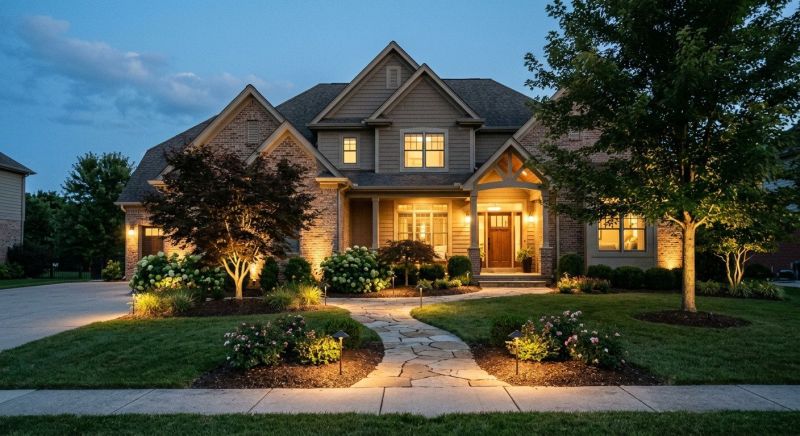
Low voltage lighting services involve the installation, repair, and maintenance of lighting systems that operate on lower electrical voltages, typically under 30 volts. These systems are often used to enhance outdoor landscapes, pathway lighting, accent lighting for architectural features, or decorative lighting around residential properties. Projects may include installing new low voltage fixtures, upgrading existing wiring, or troubleshooting issues with current setups to ensure safety and proper functionality. Homeowners interested in these services should consider the scope of their lighting goals, the areas they wish to illuminate, and any specific aesthetic or security needs that low voltage lighting can address.
Property owners usually want to understand the different types of fixtures available, the benefits of low voltage compared to traditional lighting, and the potential for energy savings or increased curb appeal. It’s also important to consider the existing electrical infrastructure and whether any upgrades are necessary to support new installations. Clarifying these details beforehand can help ensure that the lighting system aligns with the property’s design and operational expectations while maintaining safety standards.
Many property owners in Denver County, CO look into Low Voltage Lighting Service for repairs, replacements, upgrades, and appearance-related improvements.
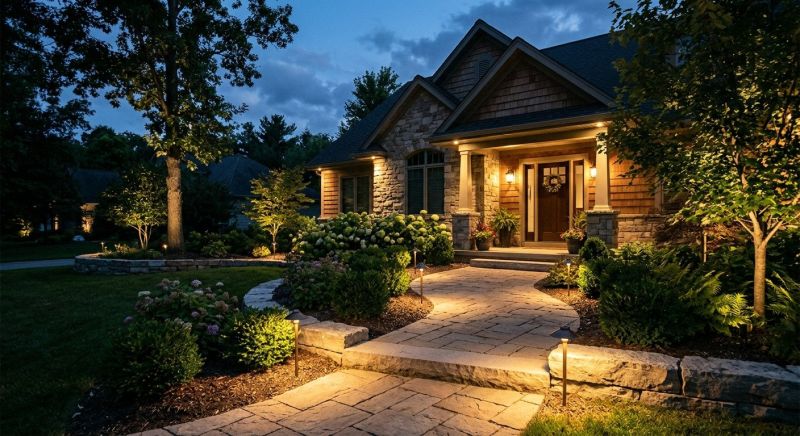
Enhancing Outdoor Ambiance
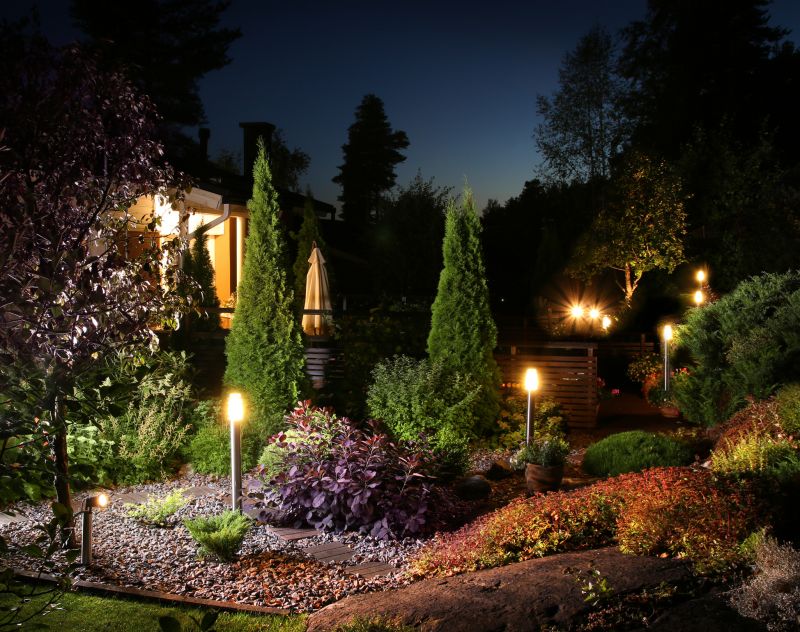
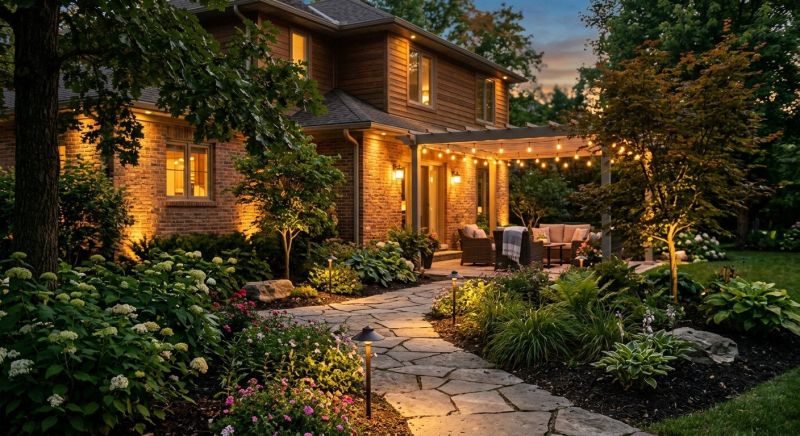
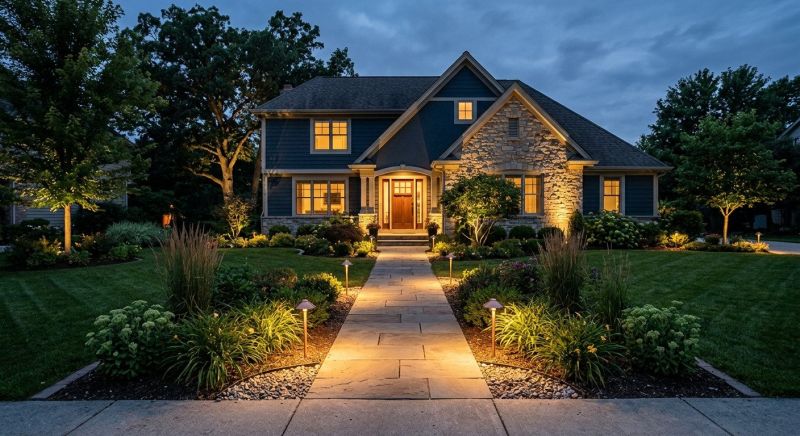
Low voltage lighting adds subtle illumination to pathways, gardens, and patios.
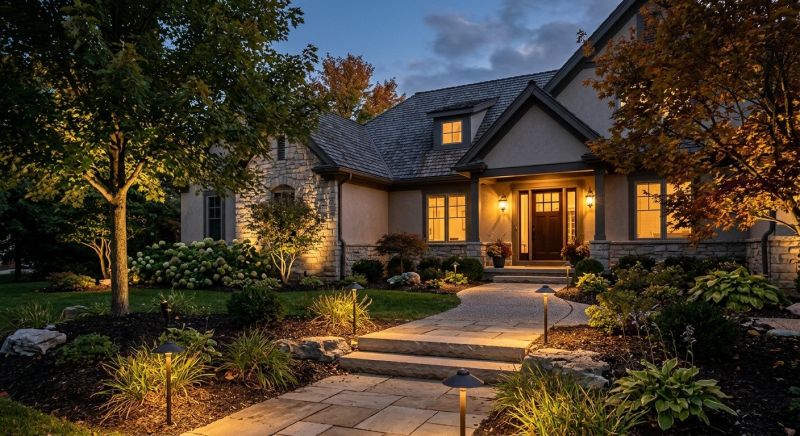
Energy-Efficient Solutions
These lighting systems provide effective illumination while consuming less electricity.
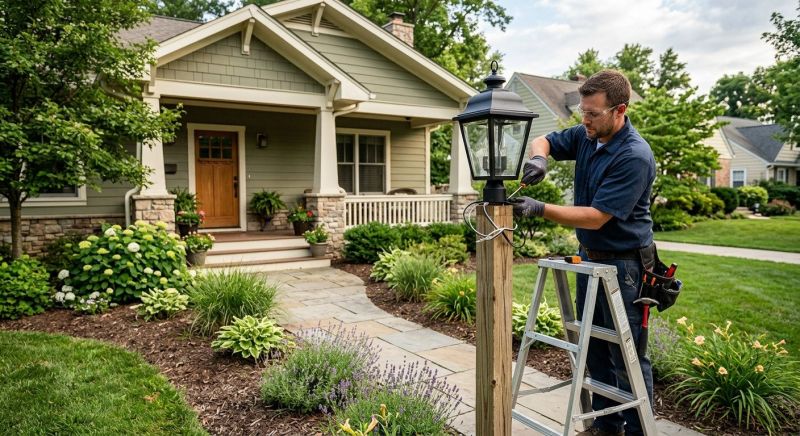
Safety And Security
Strategic placement of low voltage lights can improve visibility and deter intruders around properties in denver county, co.
Low Voltage Lighting Service in Denver County, CO

Low voltage lighting services involve the installation, repair, and maintenance of lighting systems that operate on lower electrical voltages, typically under 30 volts. These systems are often used to enhance outdoor landscapes, pathway lighting, accent lighting for architectural features, or decorative lighting around residential properties. Projects may include installing new low voltage fixtures, upgrading existing wiring, or troubleshooting issues with current setups to ensure safety and proper functionality. Homeowners interested in these services should consider the scope of their lighting goals, the areas they wish to illuminate, and any specific aesthetic or security needs that low voltage lighting can address.
Property owners usually want to understand the different types of fixtures available, the benefits of low voltage compared to traditional lighting, and the potential for energy savings or increased curb appeal. It’s also important to consider the existing electrical infrastructure and whether any upgrades are necessary to support new installations. Clarifying these details beforehand can help ensure that the lighting system aligns with the property’s design and operational expectations while maintaining safety standards.
Many property owners in Denver County, CO look into Low Voltage Lighting Service for repairs, replacements, upgrades, and appearance-related improvements.
Common Low Voltage Lighting Service Jobs
Low Voltage Lighting Service Questions
What is low voltage lighting? Low voltage lighting uses a reduced electrical current to illuminate outdoor or indoor spaces efficiently and safely.
What types of projects are suitable for low voltage lighting? It is ideal for landscape accents, pathway lighting, garden features, and highlighting architectural details.
How does low voltage lighting improve property aesthetics? It adds subtle, focused illumination that enhances outdoor features and creates inviting nighttime ambiance.
Is low voltage lighting easy to maintain? Yes, it typically requires minimal upkeep and can be easily accessed for bulb replacements or adjustments.
Request Low Voltage Lighting Service in Denver County, CO
Use the quote form on this page to share the basics of your project and request more information for the type of work you need.